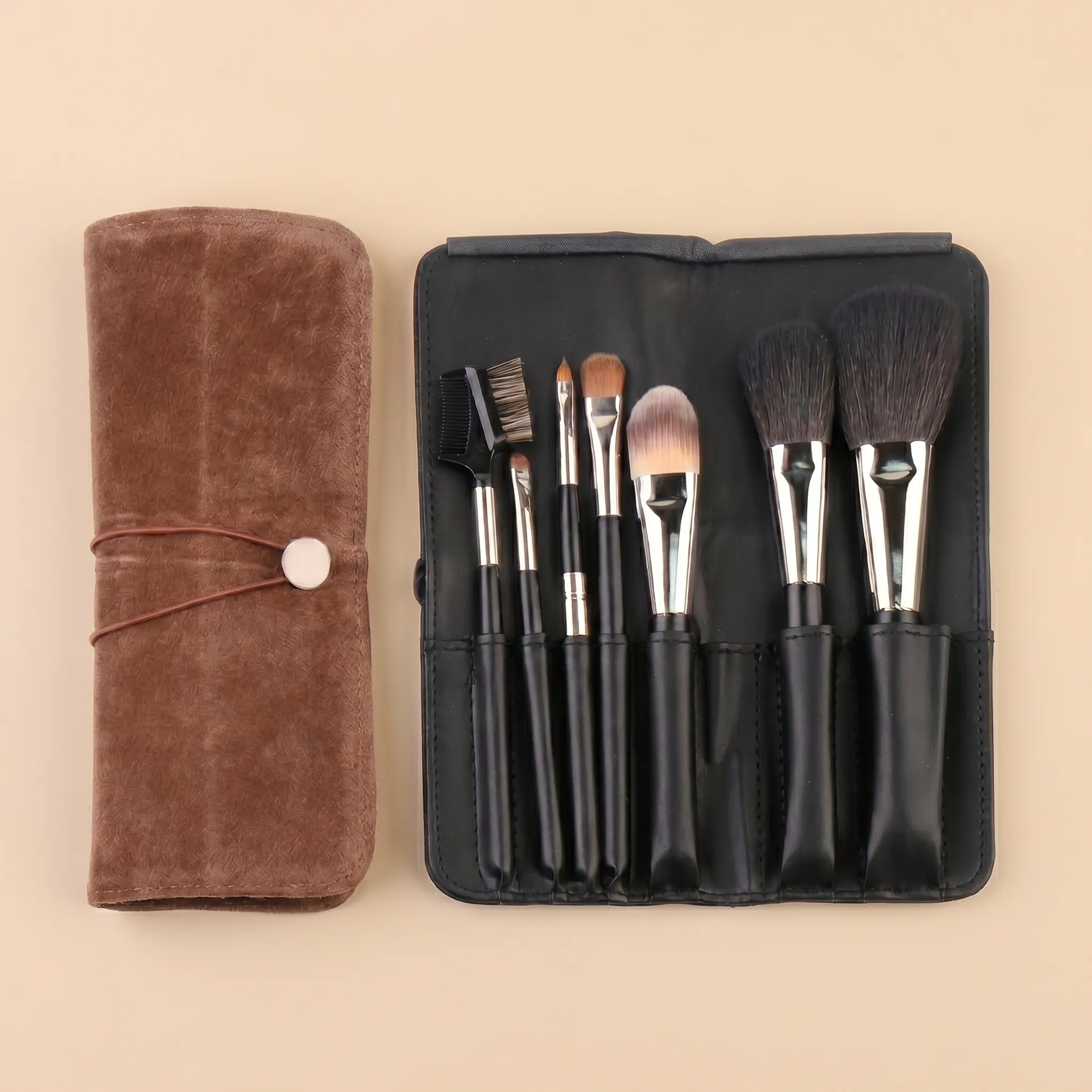
The bristle is the part of a makeup brush that touches the client's skin, picks up the product, and controls the blend — and it is the component most B2B buyers specify least carefully. A sourcing brief that says only "natural hair" or "synthetic fiber" leaves enormous room for error: buyers chasing a soft powder finish end up with stiff synthetic brushes that apply but don't blend; brands approving natural sable without knowing certain species require CITES export documentation risk a customs seizure; companies chasing vegan positioning order "faux mink" without realizing it is a marketing term for one specific fiber grade, not a new material. This guide breaks down the three bristle families — natural animal hair, standard synthetic fiber, and faux-mink — on the variables that actually decide B2B selection: performance by makeup type, durability, compliance risk, and landed cost. 刷毛是化妆刷直接接触客户皮肤、负责吸取产品并控制晕染效果的部件——也是多数B2B买手在采购需求里写得最草率的部件。一份只写"天然毛"或"合成纤维"的采购需求,留下了巨大的出错空间:追求柔和粉感的买手最后拿到的是上妆有余、晕染不足的硬质合成刷;批准天然貂毛却不知道某些物种需要CITES出口文件的品牌,可能面临海关扣货;追求素食定位的公司下单"仿貂毛",却不知道这只是某一特定纤维等级的营销说法,并非新材料类别。本文将拆解三大刷毛家族——天然动物毛、标准合成纤维、仿貂毛——在真正决定B2B选材的变量上的差异:按彩妆类型的表现、耐用度、合规风险与到岸成本。
What the Three Bristle Families Actually Are 三大刷毛家族到底是什么
Natural Animal Hair 天然动物毛
The B2B workhorse natural bristle is goat hair — white, grey and brown Chinese goat varieties harvested at seasonal shearing. Goat hair has a natural cuticle layer with microscopic scales that grip loose powder and release it evenly, which is why a good goat powder brush lays down a diffused, skin-like finish that flat synthetic fiber struggles to match at the same price point. Above goat sits squirrel hair — lighter and finer, the premium choice for large face and loose-powder brushes — and sable, the luxury tier, prized for density and a distinctive snap. Pony and horse hair sit at the lower end: courser and less consistent, mainly found on fan and contour brushes in price-sensitive lines. B2B最常用的天然刷毛是山羊毛——白、灰、棕色中国山羊品种,按季节剃毛采集。山羊毛带有天然鳞片层的角质层,能抓住散粉并均匀释放,这正是一支好的山羊毛粉刷能在同价位段做出弥散、贴肤质感的原因,而平直的合成纤维很难在同价位做到。山羊毛之上是松鼠毛——更轻更细,是大号脸刷和散粉刷的高端之选;再上是貂毛,奢华等级,以密度和独特的回弹手感著称。马毛与马尾毛处于低端:粗糙且不均匀,多用于价格敏感产品线的扇形刷和修容刷。
The compliance issue most B2B buyers learn too late: certain squirrel species, including Kolinsky sable, are protected under CITES Appendix II. Importing a CITES-listed species into the EU or US requires an export certificate from the country of origin and matching import documentation — and the requirement applies at every checkpoint, not just the final border: the raw-hair supplier, the brush manufacturer, and any re-export point each need their own certificate. Skipping this paperwork, even unknowingly, risks customs seizure of the entire shipment. The safe practice: confirm the exact species in writing — not just "squirrel" — and request the CITES export certificate in the first sample brief, before tooling or production starts. 多数B2B买手最容易后知后觉的合规问题是:某些松鼠毛品种,包括俄罗斯貂毛(Kolinsky sable),受CITES附录II保护。将CITES名录物种进口至欧盟或美国,需要原产国出具出口证书并配套进口文件——而这一要求适用于每一个环节,不只是最终入境关口:原毛供应商、刷具制造商,以及任何转口环节都需要各自的证书。哪怕是无意中漏掉这份文件,整批货都有被海关扣押的风险。稳妥的做法是:在首次样品需求中就以书面形式确认具体物种——而不只是写"松鼠毛"——并要求对方提供CITES出口证书,且要在开模或投产之前完成。
Standard Synthetic Fiber (Nylon / PBT / Taklon) 标准合成纤维(尼龙 / PBT / Taklon)
Synthetic bristles are polymer fibers — mainly nylon 6/66, polyester (PBT), or nylon branded as Taklon. The surface is smooth rather than scaled, so synthetic brushes pick up less loose powder per stroke but distribute cream and liquid products — foundation, concealer, gel liner — with more precision and less product absorption. The well-known rule of thumb is "synthetic for liquid, natural for powder." Less understood: fiber diameter and taper profile matter as much as the polymer itself. Taklon-grade nylon with an ultra-fine taper (under 30 microns at the tip) can approach the softness of mid-grade goat hair for face applications — which is why a spec should always include fiber grade and tip diameter, not just the word "synthetic." 合成刷毛是聚合物纤维——主要是尼龙6/66、聚酯纤维(PBT),或被冠名为Taklon的尼龙。其表面光滑而非带鳞片,因此合成刷每一笔吸取的散粉较少,但在分布膏体与液体产品——粉底、遮瑕、胶状眼线——时更精准、产品损耗更少。业内熟知的经验法则是"液体用合成,散粉用天然"。较少被理解的是:纤维直径与渐细形态和聚合物本身同样重要。采用超细渐细头(尖端直径低于30微米)的Taklon级尼龙,在面部应用上可以接近中等级山羊毛的柔软度——这正是为什么采购规格应始终写明纤维等级与尖端直径,而不只是写"合成"两个字。
Faux Mink & the Rise of Hybrid Synthetic Fiber 仿貂毛与混合合成纤维的兴起
"Faux mink" is a B2B marketing designation, not a distinct material — it refers to a specific grade of ultra-fine, tapered PBT fiber, typically 25–35 microns at the tip with a wave or crimp profile engineered to mimic the density and pack of natural mink or sable hair. Correctly specified, faux mink approaches natural sable in blendability for powder formulas while remaining fully vegan. The risk: some suppliers label any soft synthetic fiber "faux mink" to justify a price premium, so buyers should specify tip diameter, crimp profile, and a softness benchmark against a reference sample — not accept the term alone. "仿貂毛"是一个B2B营销称谓,并非独立材料——它指的是一种特定等级的超细渐尖PBT纤维,尖端直径通常在25–35微米,并带有波浪或卷曲形态,经设计模拟天然貂毛或貂尾毛的密度与紧实手感。规格正确时,仿貂毛在散粉配方的晕染表现上能接近天然貂毛,同时保持完全素食。风险在于:部分供应商把任何柔软的合成纤维都标为"仿貂毛"以抬高价格,因此买手应明确尖端直径、卷曲形态,并要求对照参考样品的柔软度基准——而不是只接受这个名称本身。
A newer category worth tracking for 2026 sample requests is hybrid bristle fiber — synthetic filaments blended with a small share of natural or biomimetic fiber, engineered with a scale-textured surface that closes much of the powder-pickup gap with natural hair while staying largely vegan. Early factory data on these hybrids shows meaningfully better pigment pickup than standard synthetic alone. It is not yet a mainstream B2B price point, but it is the direction premium synthetic lines are moving toward, and worth a line item in next year's sample request if your brand competes on performance claims. 2026年值得在样品需求中关注的一个新兴品类是混合刷毛纤维——在合成长丝中混入少量天然或仿生纤维,表面经过仿鳞片结构处理,能大幅缩小与天然毛在吸粉表现上的差距,同时基本保持素食属性。工厂早期数据显示,这类混合纤维的色粉附着表现明显优于纯合成纤维。目前还不是主流B2B价位段产品,但这是高端合成线发展的方向,如果你的品牌在性能宣称上有竞争需求,值得在明年的样品需求清单里加上这一项。
Bristle Material Comparison: Performance, Compliance and Cost 刷毛材质对比:性能、合规与成本
Here is how the three common bristle options compare on the variables that actually decide a B2B purchase order. 以下是三种常见刷毛选项,在真正决定B2B采购订单的各项变量上的对比。
| Criteria指标 | Natural Goat Hair天然山羊毛 | PBT / Nylon SyntheticPBT / 尼龙合成纤维 | Faux Mink (fine PBT)仿貂毛(细支PBT) |
|---|---|---|---|
| Fiber structure纤维结构 | Scaled cuticle (protein fiber)带鳞片角质层(蛋白纤维) | Smooth polymer filament光滑聚合物长丝 | Ultra-fine tapered polymer超细渐尖聚合物 |
| Best makeup type最适配彩妆类型 | Loose powder, blush, bronzer散粉、腮红、修容 | Liquid, cream, gel液体、膏体、胶状 | Powder & light cream散粉与轻质膏体 |
| Powder blending散粉晕染表现 | Excellent — diffused finish优秀——弥散质感 | Moderate — precise but stiffer中等——精准但偏硬 | Very good — close to natural很好——接近天然 |
| Liquid/cream performance液体/膏体表现 | Poor — absorbs product较差——吸附产品 | Excellent优秀 | Good良好 |
| Durability (regular washing)耐用度(常规清洗) | Good — 3-5 years with care良好——精心保养3-5年 | Excellent — 5+ years优秀——5年以上 | Good — 3-4 years良好——3-4年 |
| Vegan / cruelty-free素食 / 无残忍 | No否 | Yes是 | Yes是 |
| CITES / traceability riskCITES / 溯源风险 | Medium-high (species-dependent)中-高(取决于物种) | None无 | None无 |
| Relative B2B unit cost相对B2B单价 | Mid-high中-高 | Low-mid低-中 | Mid中 |
| Typical MOQ at Joyning BeautyJoyning Beauty典型起订量 | 500 pcs500个 | 500 pcs500个 | 500 pcs500个 |
Sourcing Insight from Jiangmen: 江门一线采购洞察:
The most common quality failure we see on bristle orders isn't the fiber choice itself — it's shedding caused by a weak glue-and-clamp at the ferrule, not the bristle material. Across the partner factories we work with, every brush batch should pass a standardized shed test: fewer than 2 bristles lost per 100 strokes on a controlled brushing rig, checked before the batch ships. We also flag a sourcing trap specific to natural hair: a quoted "squirrel hair" price with no species named in the contract is a red flag — insist the species and CITES status are written into the purchase order itself, not just discussed verbally, because that is the document customs will ask to see. 我们在刷毛订单中看到的最常见质量问题,并不是纤维材质本身的选择,而是卡口处胶水与夹持力不足导致的掉毛,而非刷毛材料的问题。在我们对接的合作工厂中,每一批刷具出货前都应通过标准化掉毛测试:在受控刷涂设备上每100次刷涂掉毛少于2根。我们还要提醒一个天然毛特有的采购陷阱:报价单上写"松鼠毛"却在合同里不写明具体物种,这就是一个危险信号——务必坚持把物种与CITES状态写进采购订单本身,而不只是口头沟通,因为这正是海关会要求查看的文件。
Need a bristle spec sheet — fiber grade, tip diameter, shed-test result, and CITES status where applicable — attached to your next sample? 需要一份附带纤维等级、尖端直径、掉毛测试结果,以及适用情况下CITES状态的刷毛规格表?
Request a B2B Sample & Quote 提交B2B询盘与样品申请What European & US B2B Buyers Are Shifting Toward in 2026 2026年欧美B2B买家的转向
The clearest shift in current inquiries is away from species-ambiguous "natural hair" and toward synthetic or faux-mink positioning, even on brands with a heritage natural-hair line. Two forces are driving it. First, consumer-facing cruelty-free and vegan certification — programs like Leaping Bunny — has become close to a baseline expectation for retail shelf space in clean-beauty and sustainability-forward channels, not a differentiator. Second, sourcing teams are de-risking supply chains against CITES enforcement, which has tightened in recent cycles; a synthetic-only product line removes that compliance burden entirely. 当前询盘中最明显的转向,是从物种不明的"天然毛"转向合成或仿貂毛定位,即便是有天然毛传统产品线的品牌也在转向。这背后有两股力量。第一,面向消费者的无残忍与素食认证——如Leaping Bunny一类项目——在清洁美妆与可持续导向渠道中,已经接近上架的基本门槛,而不再是差异化卖点。第二,采购团队正在为供应链去风险化,应对近几个周期持续收紧的CITES执法;纯合成产品线能完全消除这部分合规负担。
For brands that still want a "natural feel" story without the compliance exposure, faux-mink and hybrid synthetic fiber are the practical middle ground — vegan, CITES-free, and increasingly close in blending performance to mid-tier natural hair. 对于仍想保留"天然质感"故事却不愿承担合规风险的品牌而言,仿貂毛与混合合成纤维是务实的中间方案——素食、无CITES负担,且在晕染表现上正逐渐接近中端天然毛。
This mirrors the same documentation-first discipline we covered in our eco-friendly makeup brush sourcing guide — whether the claim is "sustainable" or "cruelty-free," the buyers who avoid retail and customs problems are the ones who get the certificate before they get the photo. 这与我们在环保化妆刷采购指南中谈到的"文件先行"原则是同一回事——不论声明是"可持续"还是"无残忍",能避开零售与海关问题的买手,都是先拿到证书、再拍宣传照的那一类。
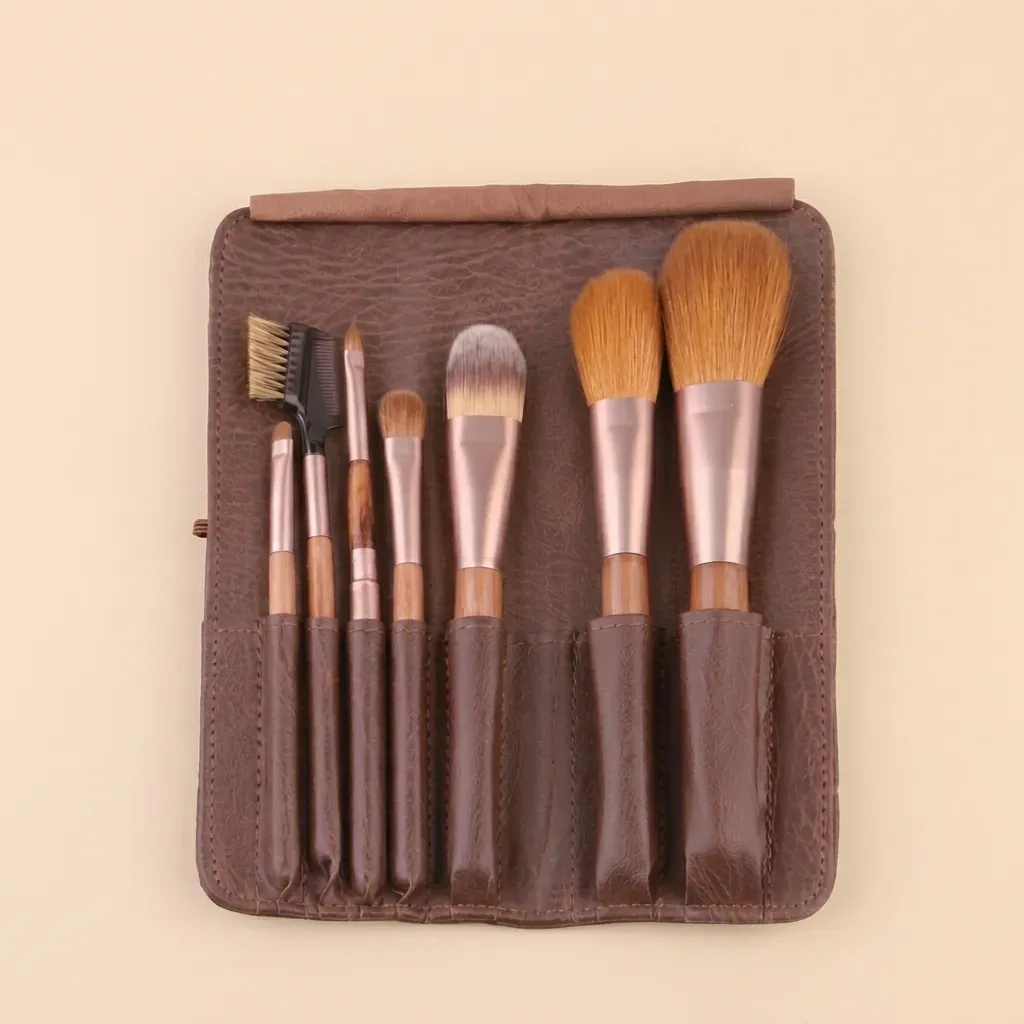
A Practical Bristle Selection Framework 实用的刷毛选材框架
Before requesting samples, answer these four questions to avoid paying for a material your formula or compliance team can't actually use. 在申请样品前,先回答以下四个问题,避免为一种你的配方或合规团队实际用不了的材料付钱。
1. What products will this brush apply? Powder and loose-mineral formulas favor natural hair or faux mink; liquid, cream and gel formulas favor standard synthetic. A general-purpose brush set should mix bristle types by brush function, not use one material across the whole set. 1. 这把刷子要上什么产品?散粉和矿物粉类配方更适合天然毛或仿貂毛;液体、膏体和胶状配方更适合标准合成纤维。一套通用刷具应该按每支刷子的功能混搭不同刷毛类型,而不是整套用同一种材料。
2. Does your channel require vegan or cruelty-free certification? If you sell into clean-beauty retail, Sephora Clean-style programs, or any EU market sensitive to animal-derived claims, natural hair is a non-starter regardless of performance — default to synthetic or faux mink and certify it. 2. 你的渠道是否要求素食或无残忍认证?如果你卖进清洁美妆零售、Sephora Clean一类项目,或任何对动物源声明敏感的欧盟市场,天然毛无论性能如何都不是可选项——默认用合成或仿貂毛,并做好认证。
3. Can your supply chain produce the compliance paperwork? If you want natural hair, the species, CITES status, and export certificate must be confirmed in writing before the first sample — not discovered at customs. If a supplier can't name the species in the contract, treat that as a disqualifying answer. 3. 你的供应链能提供合规文件吗?如果你想用天然毛,物种、CITES状态与出口证书必须在第一支样品之前以书面形式确认——而不是等到海关才发现。如果供应商无法在合同里写明具体物种,这本身就应被视为不合格的答案。
4. What is your target unit cost? Request quotes for the specific bristle, ferrule, handle and packaging configuration. Compare samples and documentation for the destination market before choosing a material. 4. 你的目标单位成本是多少? 按具体刷毛、卡口、手柄和包装配置询价,并比较样品与目标市场所需文件。
The Bottom Line 核心结论
There is no universally "best" bristle — there is the right bristle for the formula, the channel, and the compliance burden your team can actually carry. Natural hair still wins on powder finish but comes with species-traceability risk that a casual "squirrel hair" line item on a quote will not protect you from. Standard synthetic wins on liquid performance and zero compliance overhead. Faux mink and the emerging hybrid fibers are the fastest-growing middle path for brands that want a natural-feel story without the paperwork. Specify the fiber grade, the tip diameter, and — if you choose natural hair — the species and CITES documentation, before you approve a single sample. 不存在普遍意义上的"最佳"刷毛——只有适合配方、渠道,以及你的团队真正能承担的合规负担的那一种。天然毛在粉感表现上仍占优,但伴随的物种溯源风险,不是报价单上一句随意的"松鼠毛"就能帮你规避的。标准合成在液体表现和零合规负担上占优。仿貂毛与新兴的混合纤维,是想要"天然质感"故事又不想承担文件负担的品牌中增长最快的中间路线。在批准任何一支样品之前,先明确纤维等级、尖端直径,以及——如果选择天然毛——物种与CITES文件。
Frequently Asked Questions 常见问题
Is goat hair better than synthetic for makeup brushes? 山羊毛比合成纤维更适合做化妆刷吗?
Neither is universally better — they serve different makeup types. Goat hair's natural cuticle picks up and releases loose powder more evenly, giving a diffused finish. Synthetic fiber (PBT/nylon) is smoother, absorbs less product, and performs better with liquid and cream formulas. Choose by the product the brush is designed for, not by perceived quality. 两者都不是普遍意义上更好——它们适配不同的彩妆类型。山羊毛的天然角质层能更均匀地吸取和释放散粉,呈现弥散质感。合成纤维(PBT/尼龙)更光滑,产品吸附更少,在液体与膏体配方上表现更佳。应按刷子设计要上的产品来选择,而不是按所谓的"档次"。
What is faux mink brush hair made of? 仿貂毛刷毛是什么材料做的?
Faux mink is not a distinct material — it is a marketing term for a specific grade of ultra-fine, tapered PBT synthetic fiber (typically 25-35 micron tip diameter with a crimped profile) engineered to mimic the density and softness of natural mink or sable hair. It is fully vegan and cruelty-free. 仿貂毛并非独立材料——它是一种特定等级超细渐尖PBT合成纤维(尖端直径通常25-35微米、带卷曲形态)的营销称谓,经设计模拟天然貂毛或貂尾毛的密度与柔软度。它完全素食且无残忍。
Are natural hair makeup brushes vegan? 天然毛化妆刷是素食的吗?
No. Any brush using goat, squirrel, sable or pony hair is by definition not vegan, since it uses an animal-derived material. Some natural-hair brushes are still marketed as cruelty-free if the hair is a byproduct of the meat or wool industry, but this should never be presented as vegan. 不是。任何使用山羊毛、松鼠毛、貂毛或马毛的刷子,按定义都不是素食的,因为它使用了动物源材料。部分天然毛刷子如果毛源是肉类或羊毛产业的副产品,仍可能以"无残忍"营销,但绝不应被宣传为素食。